Stain resistance is crucial for maintaining cleanliness, durability, and aesthetics, especially in high-use areas like kitchens. Materials with high stain resistance, such as ceramic steel, ensure that spills from food, oils, degreasers, and beverages do not leave permanent marks. Resistance to stains of solvents and alkaline substances enhances longevity, allowing surfaces to withstand harsh cleaning agents without damage. This makes stain-resistant materials ideal for kitchen countertops, backsplashes, and work surfaces, ensuring hygiene and ease of maintenance.
Test Overview
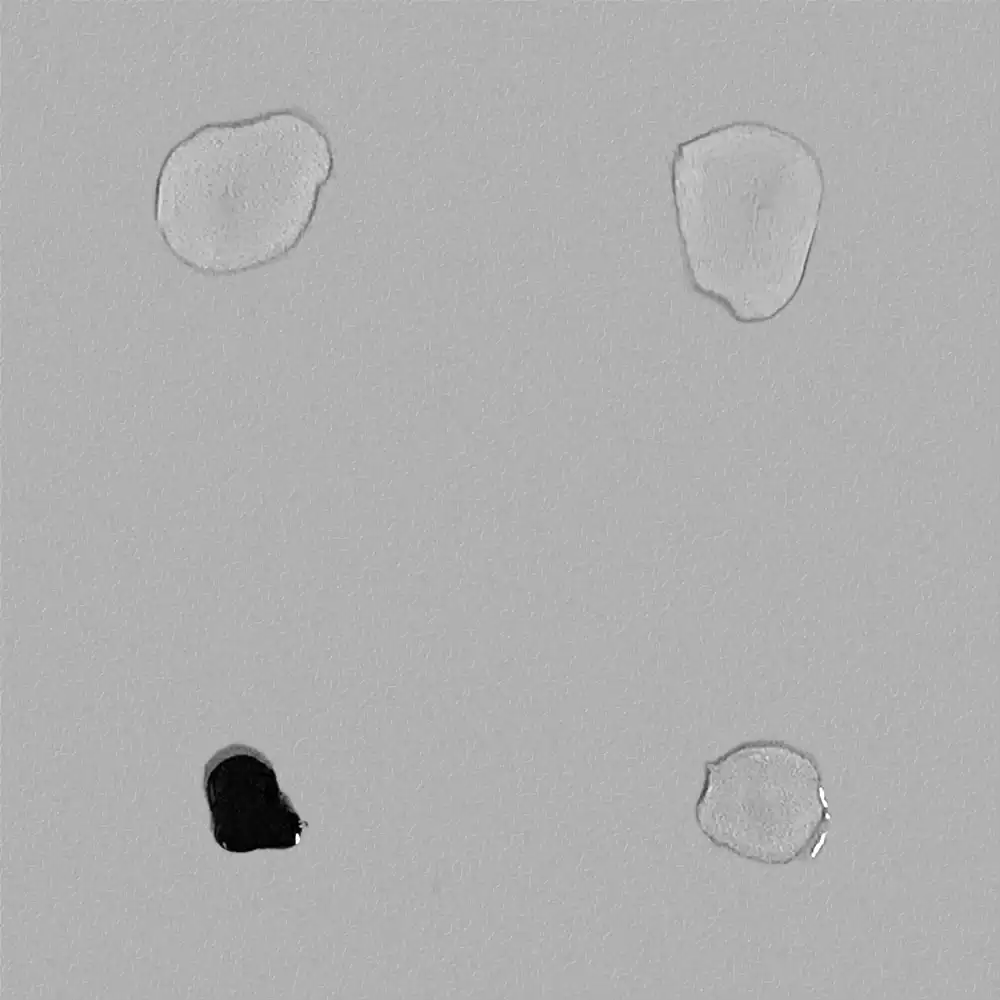
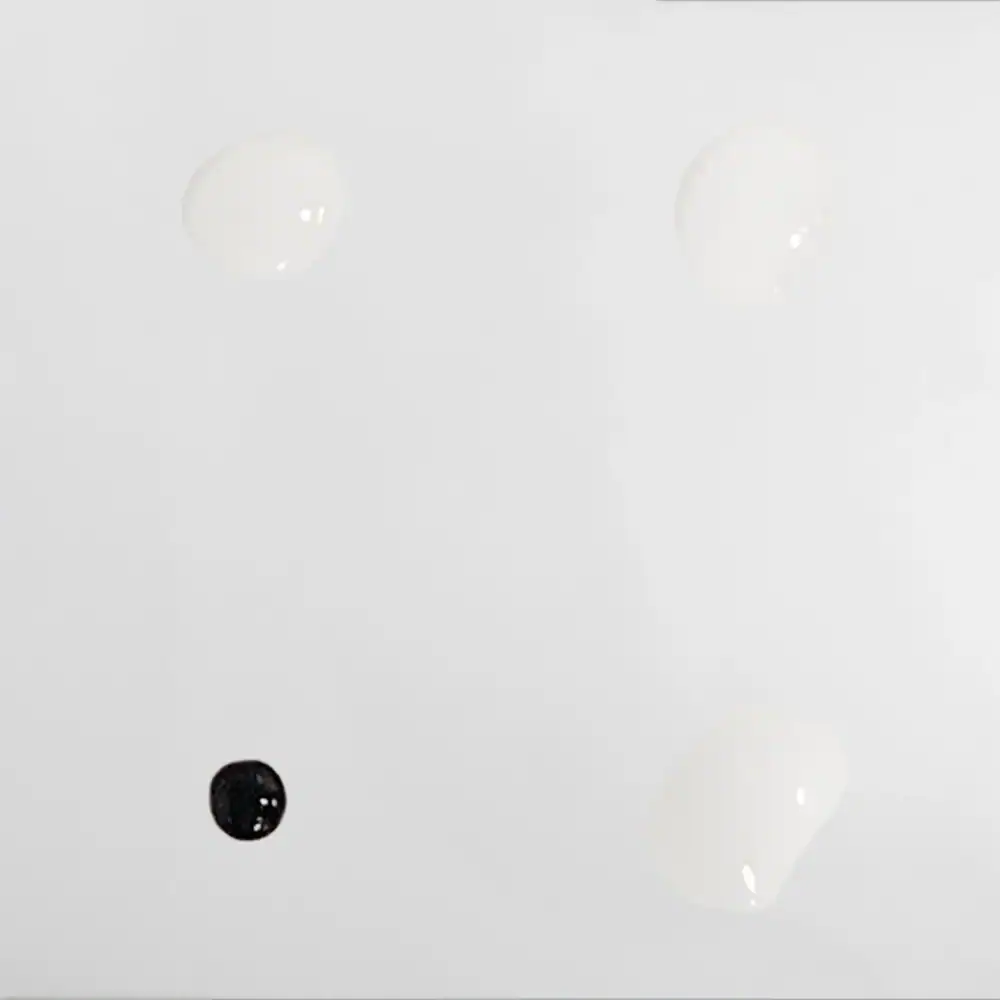
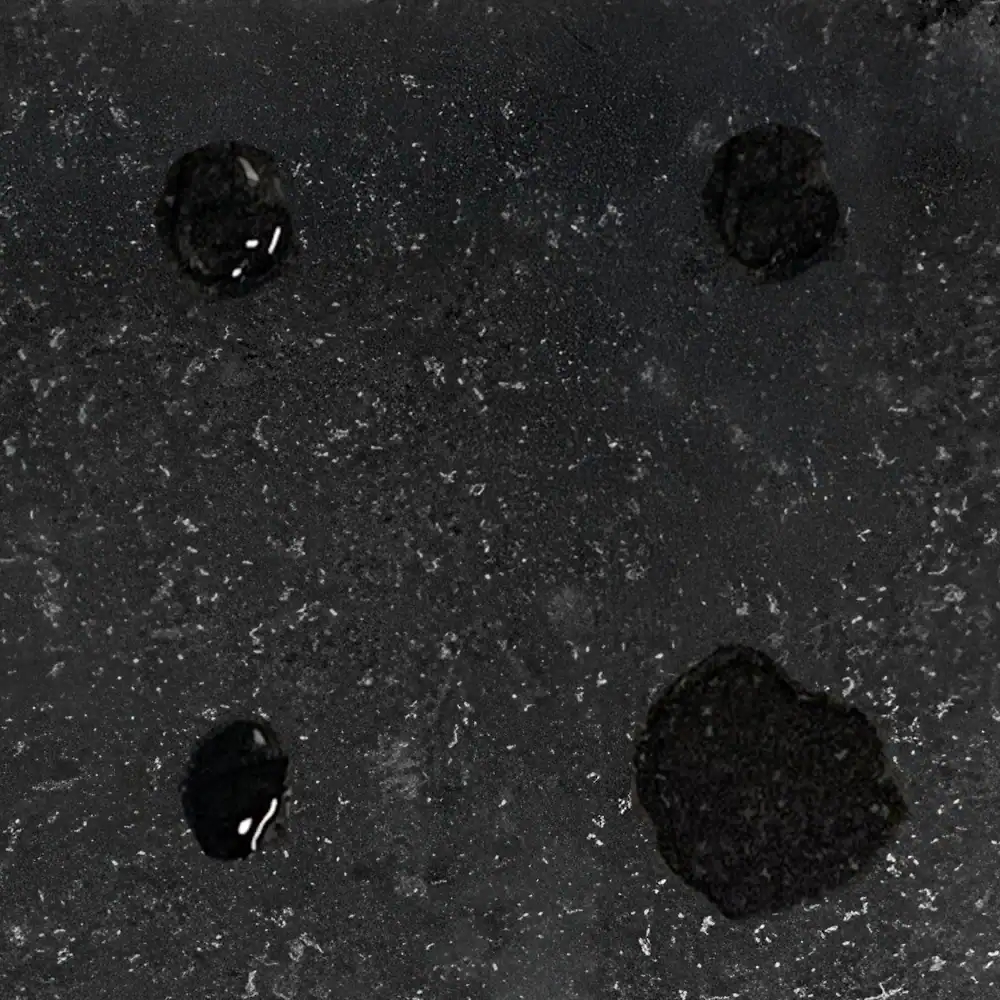
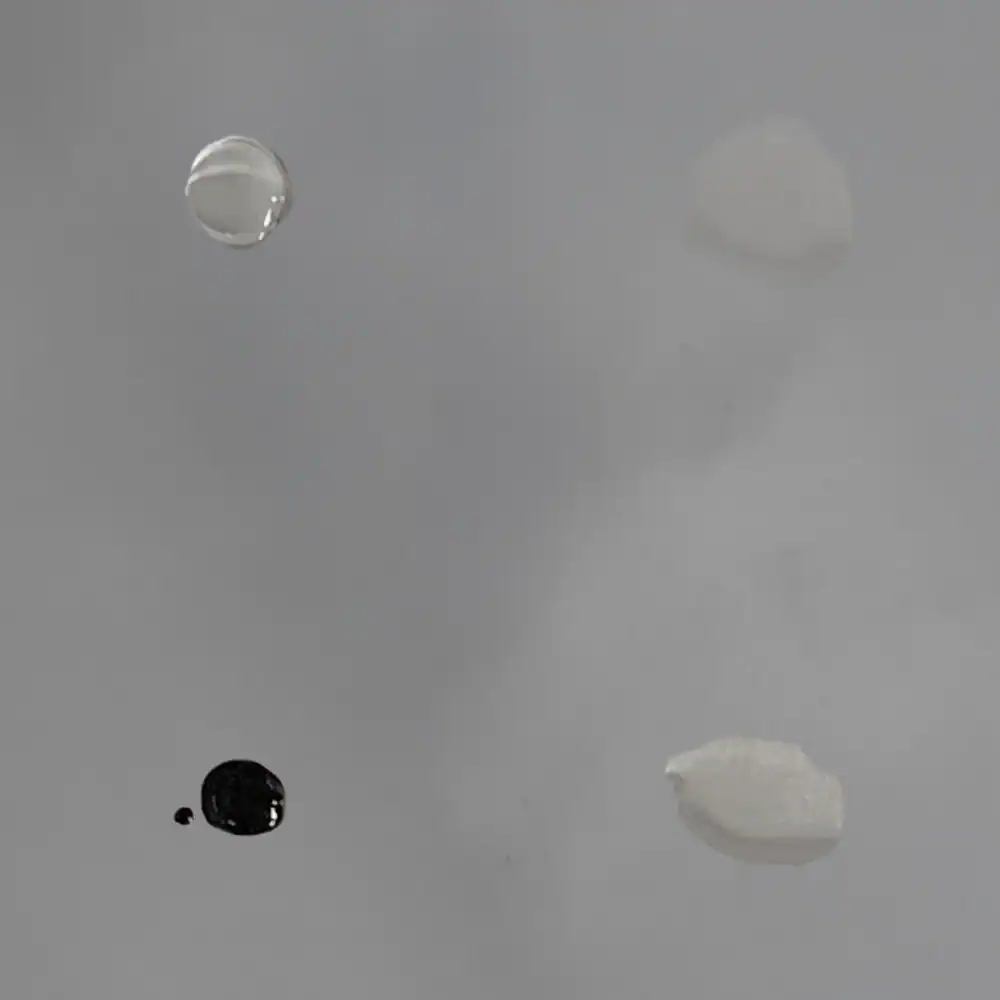
The chemical resistance can be defined as the ability of a surface to endure itself from chemicals for a specific period and is tested for the following chemicals: 1: deionized water, 2: ink, 3: ethanol, 4: alkaline-based degreaser. When determined by EN 438-2:2016+A1:2018, Clause 26, for a test time of 16 h, the chemical resistance shall be a minimum rating of 5: No change (test area indistinguishable from adjacent surrounding area).
Test Results
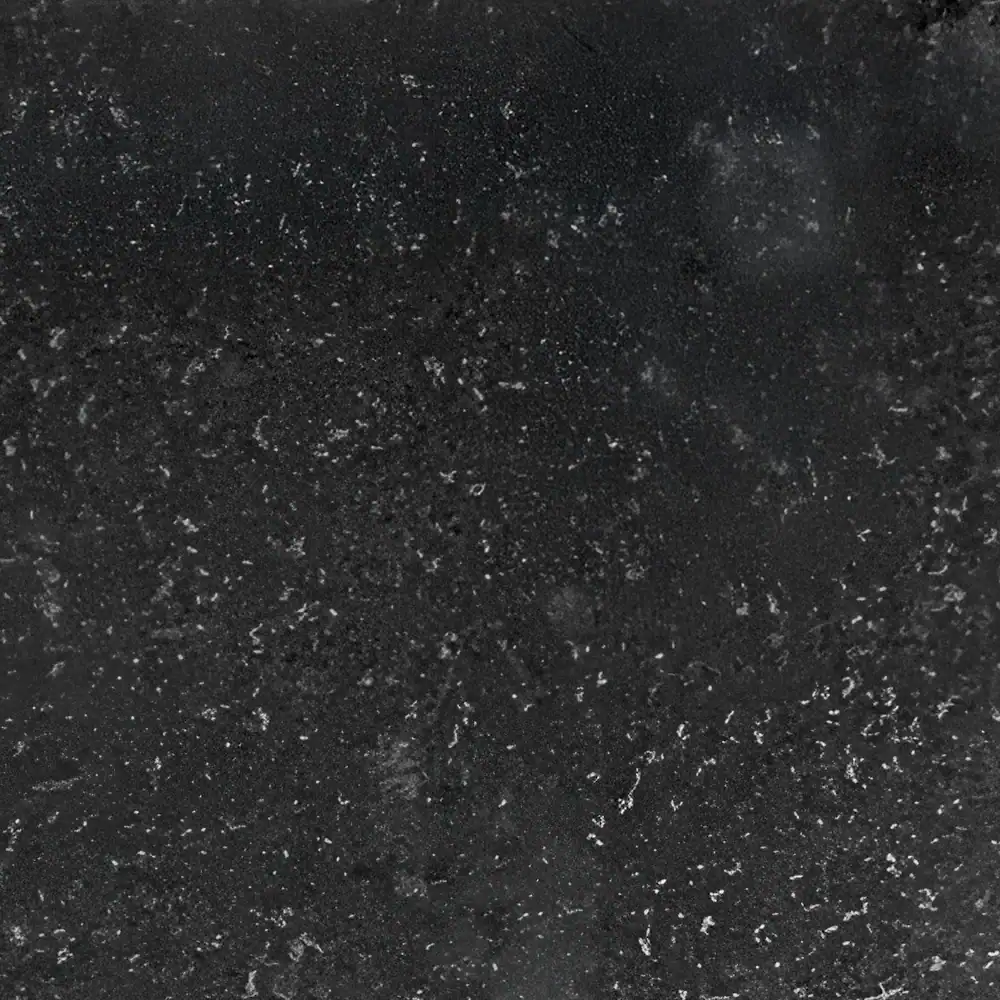
In a 16-hour exposure test, Ceramic Steel showed no difference in color and gloss after removing the stains. The surface is indistinguishable from the adjacent surrounding area. Although the material is not specifically designed for prolonged exposure to extreme alkaline environments, ceramic steel surfaces can resist alkaline degreasers such as oven cleaners.
1
4
2
3
CERAMICSTEEL (AFTER CLEANING)
CERAMICSTEEL
Comparison with Other Materials
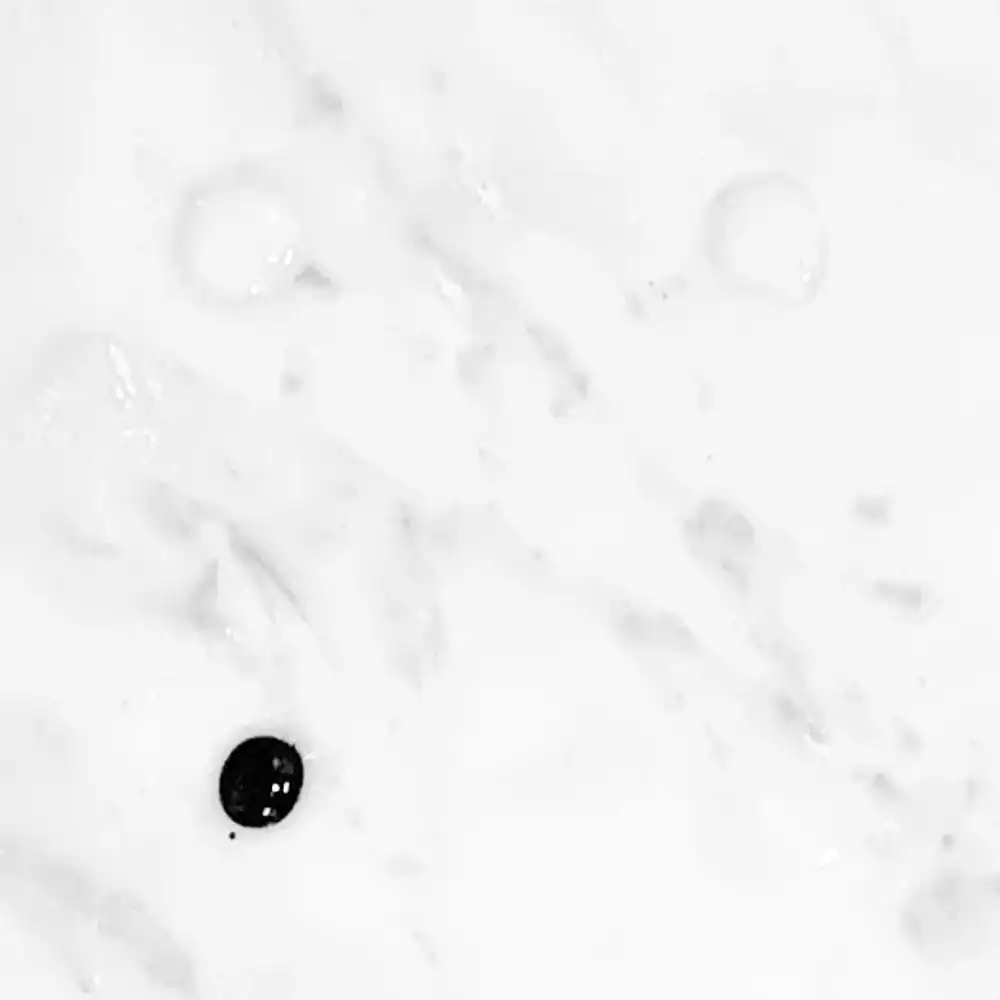
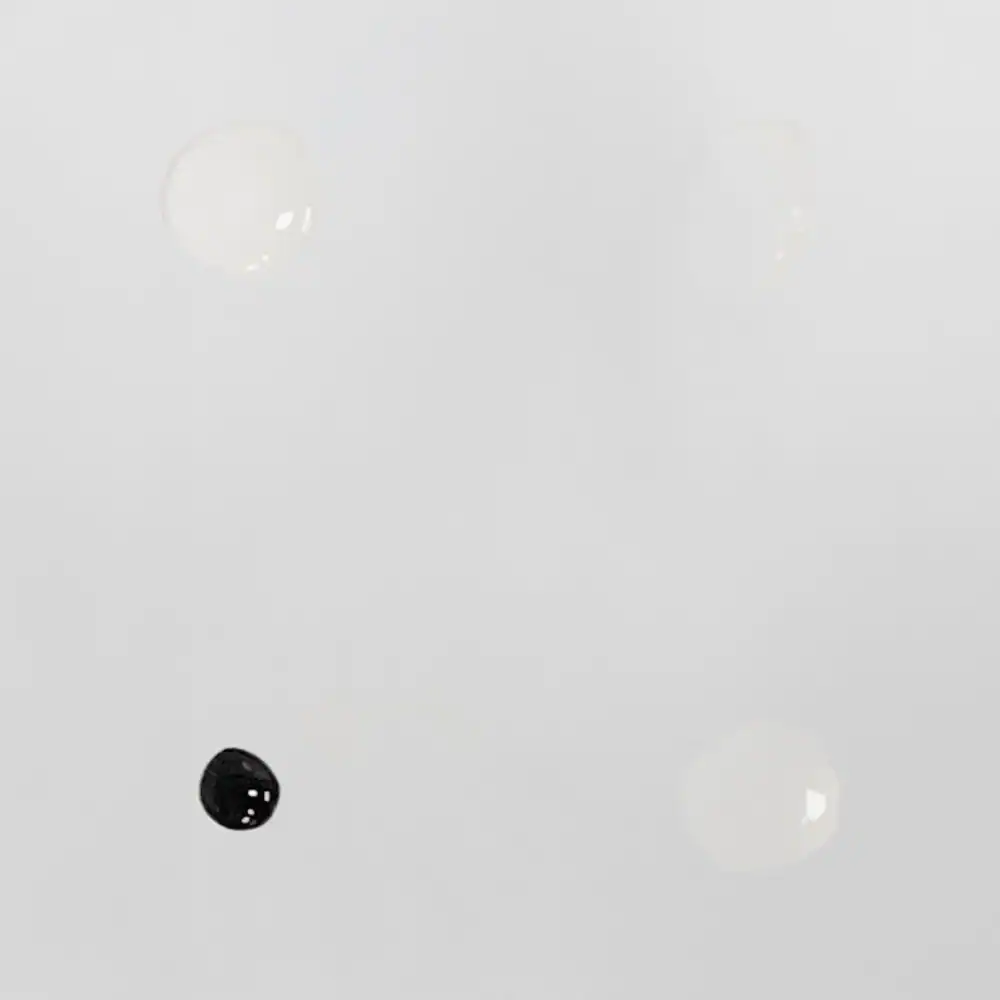
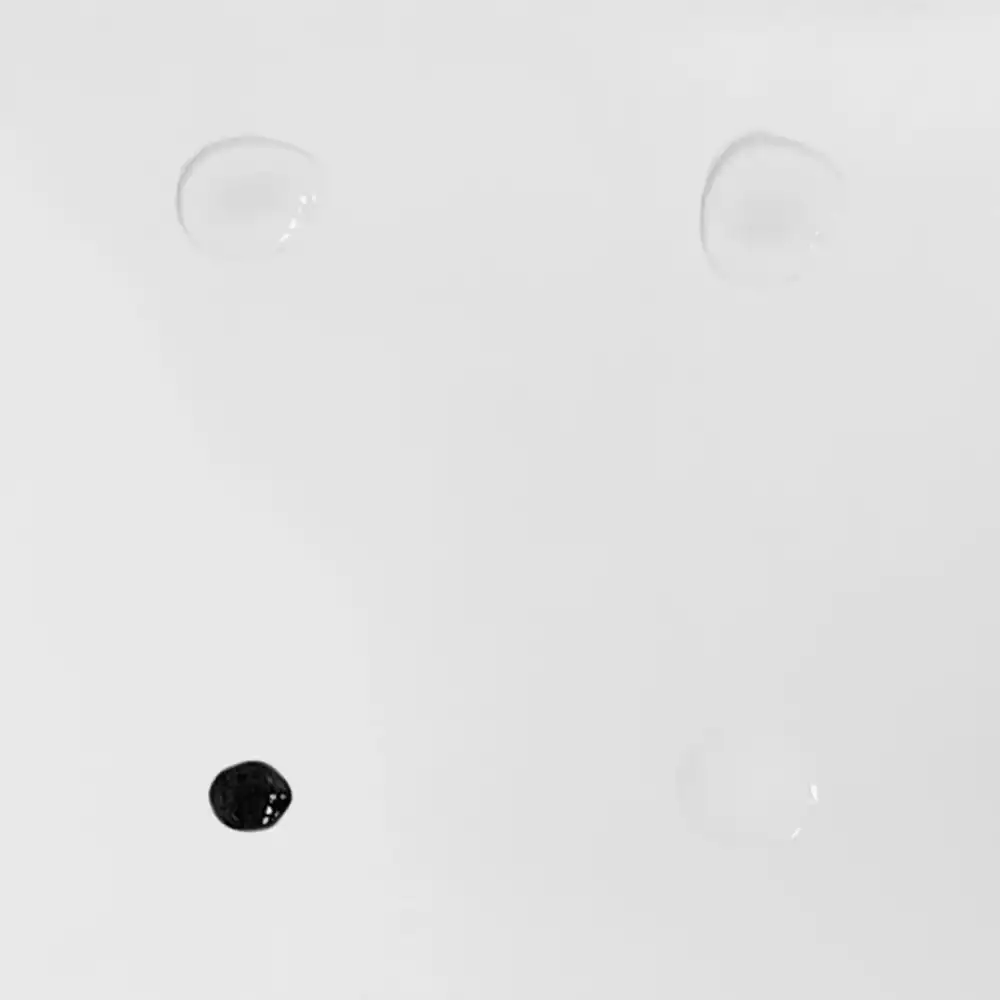
Ceramic steel offers superior stain resistance compared to materials like marble because it is non-porous, preventing inks and other chemical substances from seeping in. This makes stains easy to clean, unlike porous materials like marble or painted steel, which absorb liquids and can be difficult—or even impossible—to restore to their original state.
GLASS (AFTER CLEANING)
GLASS
PAINTED ALU (AFTER CLEANING)
PAINTED ALU
TILE (AFTER CLEANING)
TILE
MARBLE (AFTER CLEANING)
MARBLE
GRANITE (AFTER CLEANING)
GRANITE
HPL (AFTER CLEANING)
HPL
ACRYLIC (AFTER CLEANING)
ACRYLIC
STAINLESS STEEL (AFTER CLEANING)
STAINLESS STEEL
Why Chemical Resistance Matters
Alkaline substances, while less commonly encountered than acids, can still cause damage to unprotected surfaces. CeramicSteel’s resistance to short-term alkaline exposure ensures its suitability for everyday applications, providing a balance of durability and reliability.
Applications
Kitchens: Suitable for surfaces exposed to mild alkaline substances like cleaning agents and detergents.
Commercial Spaces: Performs well in areas where occasional alkaline exposure is expected.
General Use: A reliable option for environments requiring a balance of resistance to both acidic and alkaline substances.